
N6804W Advanced Pathophysiology for DNP is a core doctoral-level course designed to deepen nurses’ understanding of complex disease processes across the lifespan. For Doctor of Nursing Practice (DNP) students, advanced pathophysiology is essential for developing expert clinical judgement, diagnostic reasoning, and evidence-based decision-making in advanced and leadership roles.
The course moves beyond basic disease concepts and focuses on the mechanisms underlying health alterations, preparing learners to manage complex patient presentations in diverse clinical and population health settings.
Table of Contents
What Is Advanced Pathophysiology in DNP Education?
Advanced pathophysiology examines the physiological, cellular, and molecular mechanisms that lead to disease. In N6804W, learners explore how genetic, environmental, and lifestyle factors interact to influence disease development, progression, and outcomes.
This advanced perspective enables DNP students to connect clinical signs and symptoms with underlying biological processes, strengthening diagnostic accuracy and clinical reasoning.
Core Learning Objectives of N6804W Advanced Pathophysiology
By completing N6804W Advanced Pathophysiology for DNP, learners are expected to:
- Analyse normal and altered physiological processes across body systems
- Explain the pathophysiology of acute and chronic diseases
- Integrate genetic and environmental influences on disease development
- Apply advanced pathophysiological concepts to complex clinical scenarios
- Support clinical decision-making using scientific and evidence-based reasoning
These objectives align with doctoral-level expectations for advanced nursing practice and leadership.
Body Systems Covered in N6804W
The course typically adopts a systems-based approach, allowing learners to explore disease mechanisms across multiple organ systems, including:
- Cardiovascular and circulatory systems
- Respiratory system
- Neurological system
- Endocrine and metabolic systems
- Renal and gastrointestinal systems
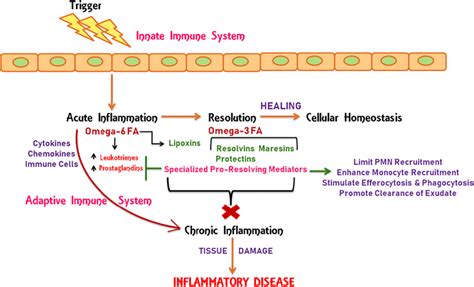
- Immune and inflammatory processes
This integrated approach helps DNP students understand how dysfunction in one system can influence others, particularly in patients with comorbidities.
Linking Pathophysiology to Advanced Clinical Practice
A defining feature of N6804W Advanced Pathophysiology is its strong emphasis on clinical application. Learners are encouraged to apply theoretical knowledge to:
- Differential diagnosis
- Interpretation of clinical and diagnostic findings
- Management of complex and chronic conditions
- Evaluation of disease progression and treatment response
This connection between science and practice strengthens the clinical competence required of DNP-prepared nurses.
The Role of Genetics and Precision Health
Modern advanced practice requires an understanding of genetic and molecular influences on disease. N6804W introduces learners to:
- Genetic predispositions and disease risk
- Molecular pathways involved in disease processes
- Implications of genomics for personalised care
By integrating precision health concepts, the course prepares DNP students for future-focused, individualised care delivery.
Critical Thinking and Clinical Reasoning Development
Advanced pathophysiology is central to clinical reasoning at the doctoral level. Through case-based learning and applied analysis, N6804W helps learners to:
- Recognise subtle changes in patient presentation
- Anticipate disease complications
- Justify clinical decisions using scientific rationale
- Reduce diagnostic errors in complex cases
These skills are essential for advanced practice roles and interprofessional collaboration.
Assessment Focus in N6804W Advanced Pathophysiology
Assessment in N6804W Advanced Pathophysiology for DNP typically evaluates higher-order thinking rather than memorisation. Common assessment formats include:
- Case study analyses
- Applied pathophysiology discussions
- Concept integration papers
- Examinations testing clinical reasoning
These assessments ensure learners can translate theoretical knowledge into real-world practice.
Importance of Advanced Pathophysiology for DNP Roles
DNP-prepared nurses are expected to function as clinical experts, leaders, and change agents. A strong grounding in advanced pathophysiology supports:
- Safer and more accurate clinical decision-making
- Improved patient and population health outcomes
- Leadership in evidence-based practice initiatives
- Enhanced collaboration with multidisciplinary teams
Employers and healthcare systems increasingly value DNPs who demonstrate deep scientific understanding alongside advanced clinical skills.
Why N6804W Matters in Today’s Healthcare Environment
Healthcare is becoming more complex due to ageing populations, chronic disease burden, and rapid scientific advances. N6804W Advanced Pathophysiology for DNP equips learners to:
- Manage complex and multi-system conditions
- Adapt to advances in diagnostics and treatment
- Support high-quality, evidence-based care
- Lead improvements in clinical practice and outcomes
Conclusion
N6804W Advanced Pathophysiology for DNP is a critical foundation course that strengthens the scientific and clinical competence of doctoral-prepared nurses. By integrating advanced disease mechanisms with clinical application, the module prepares learners to deliver safe, effective, and evidence-based care at the highest level of nursing practice.
For DNP students seeking to enhance clinical reasoning, diagnostic expertise, and leadership capability, N6804W provides the essential knowledge base to support excellence in advanced nursing practice.