N6806W Research and Epidemiology for Evidence-Based Advanced Practice is a foundational course designed to strengthen advanced practitioners’ ability to use research and epidemiological evidence to improve clinical and population-level outcomes. In today’s complex healthcare environment, advanced practice professionals must move beyond intuition and tradition and rely on high-quality evidence to inform decision-making.
This course equips learners with the analytical skills required to interpret research, evaluate epidemiological data, and apply findings ethically and effectively in advanced practice settings.
Table of Contents
Understanding Evidence-Based Advanced Practice
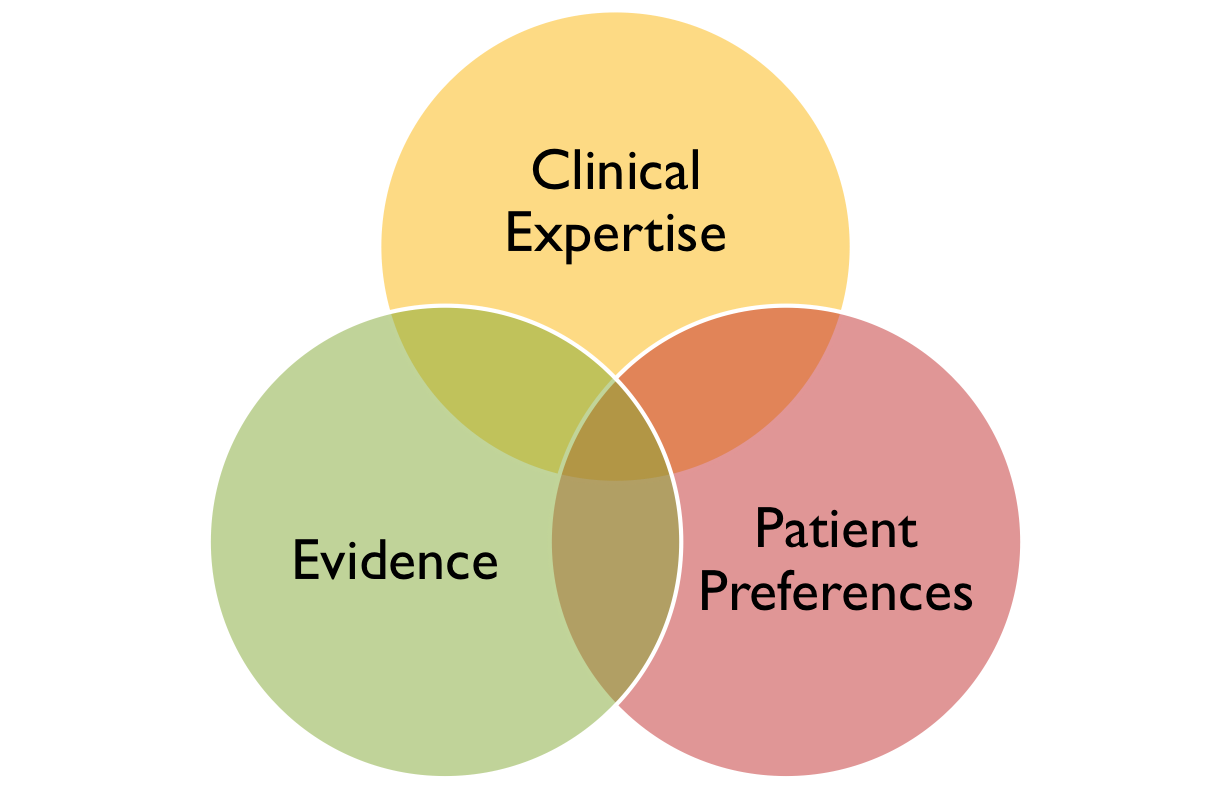
Evidence-based advanced practice integrates three core elements:
- Best available research evidence
- Clinical expertise
- Patient or population values and preferences
N6806W focuses on strengthening the research and epidemiology components, ensuring that learners can critically assess evidence before applying it to practice.
Through this approach, practitioners are better positioned to deliver safe, effective, and equitable care.
The Role of Research in Advanced Practice
Research literacy is essential for advanced practice professionals. In N6806W Research and Epidemiology, learners develop the ability to:
- Distinguish between qualitative and quantitative research
- Evaluate research design, validity, and reliability
- Interpret statistical findings and outcome measures
- Identify bias and methodological limitations
These skills enable practitioners to confidently judge the quality of evidence rather than relying solely on published conclusions.
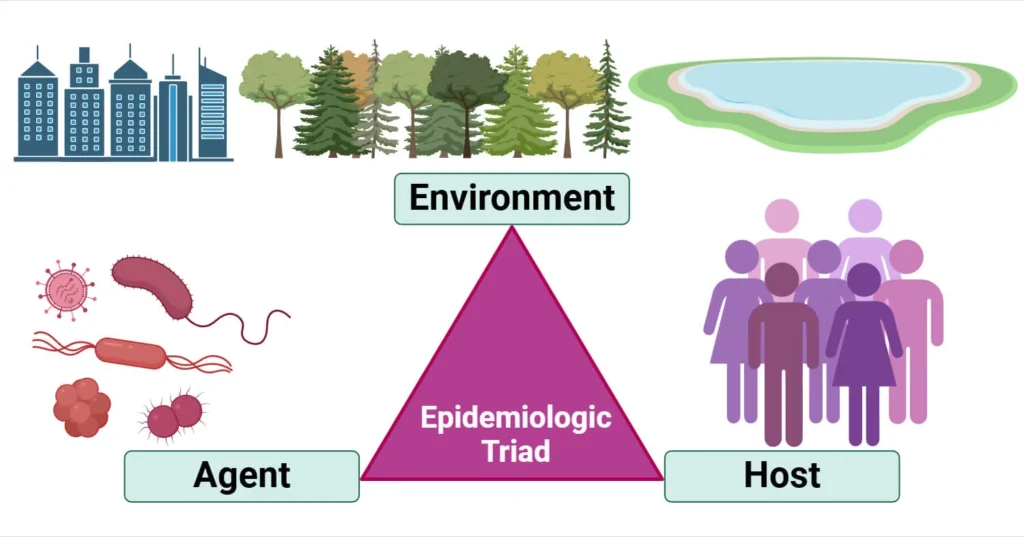
Epidemiology as a Foundation for Population Health
Epidemiology is central to understanding health patterns, risks, and outcomes within populations. N6806W explores key epidemiological concepts, including:
- Incidence and prevalence
- Risk factors and protective factors
- Disease surveillance and screening
- Social determinants of health
By analysing population-level data, learners gain insight into how diseases spread, who is most affected, and which interventions are most effective.
Linking Epidemiology to Clinical Decision-Making
A key strength of N6806W Research and Epidemiology for Evidence-Based Advanced Practice is its emphasis on translating population data into clinical action. Learners examine how epidemiological findings can:
- Inform clinical guidelines and protocols
- Support preventive care strategies
- Improve health promotion and disease prevention
- Reduce health disparities
This integration ensures that advanced practice decisions are both patient-centred and population-informed.
Critical Appraisal and Data Interpretation Skills
Critical appraisal is a core competency developed in N6806W. Learners are trained to systematically assess research by examining:
- Study aims and research questions
- Sampling methods and data collection
- Statistical analysis and outcome reporting
- Ethical considerations and conflicts of interest
These appraisal skills help advanced practitioners avoid misapplication of evidence and promote high-quality care.
Ethics and Equity in Research and Epidemiology
Ethical practice is a recurring theme throughout N6806W. The course encourages learners to consider:
- Informed consent and participant protection
- Data integrity and responsible reporting
- Health equity and inclusion in research design
- Ethical use of population health data
By embedding ethics into research and epidemiological analysis, learners are better prepared to make fair and responsible clinical decisions.
Assessment Focus in N6806W
Assessments in N6806W Research and Epidemiology for Evidence-Based Advanced Practice typically focus on application rather than memorisation. Common assessment formats include:
- Critical appraisal of published research studies
- Epidemiological data analysis exercises
- Evidence-based practice project proposals
- Written reflections linking evidence to advanced practice
These assessments demonstrate a learner’s ability to apply theory directly to real-world practice challenges.
Career and Practice Relevance of N6806W
The skills developed in N6806W are highly transferable across advanced practice roles, including:
- Advanced clinical practice
- Nurse practitioner and specialist roles
- Public health and population health leadership
- Quality improvement and patient safety initiatives
- Research-informed policy and guideline development
Employers increasingly value practitioners who can interpret data, justify clinical decisions, and lead evidence-based improvements.
Why N6806W Matters in Modern Healthcare
Healthcare systems are under constant pressure to improve outcomes while managing limited resources. N6806W Research and Epidemiology for Evidence-Based Advanced Practice prepares learners to:
- Make defensible, data-driven decisions
- Improve patient safety and quality of care
- Address population health challenges
- Contribute to sustainable, evidence-informed healthcare systems
Conclusion
N6806W Research and Epidemiology for Evidence-Based Advanced Practice is a critical course for advanced practitioners seeking to strengthen their research literacy and epidemiological understanding. By integrating rigorous research appraisal with population health insights, the module empowers learners to deliver high-quality, ethical, and evidence-based care.
For professionals committed to advancing practice through research-informed decision-making, N6806W provides the essential tools to translate evidence into meaningful clinical and population health impact.