N7533 Vulnerable Populations is a critical nursing and public health course that examines how social, economic, environmental, and systemic factors influence health outcomes among at-risk groups. The course equips learners with the knowledge and skills needed to assess health disparities, design targeted interventions, and advocate for equity in healthcare delivery.
As healthcare systems increasingly focus on population health and health equity, understanding vulnerable populations is essential for advanced nursing practice and leadership roles.
Table of Contents
What Is Covered in N7533 Vulnerable Populations?
N7533 Vulnerable Populations explores the complex challenges faced by individuals and communities at increased risk of poor health outcomes. The course integrates theory, research, and practice to promote culturally competent, ethical, and evidence-based care.
Key areas include:
- Definitions and frameworks of vulnerability in healthcare
- Social determinants of health (SDOH)
- Health disparities and health inequities
- Cultural competence and cultural humility
- Community and population-based interventions
- Ethical and legal considerations in caring for vulnerable groups
- Policy, advocacy, and leadership in population health
Key Vulnerable Populations Studied in N7533
1. Economically Disadvantaged Populations
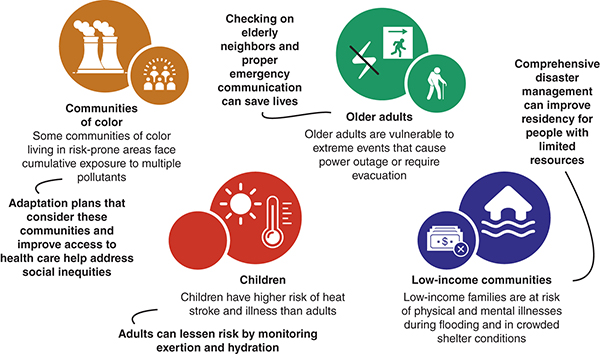
Poverty significantly affects access to healthcare, nutrition, housing, and education. Students analyse how socioeconomic status contributes to chronic disease, reduced life expectancy, and limited healthcare utilisation.
2. Racial and Ethnic Minority Groups
The course examines systemic inequities, discrimination, and cultural barriers that contribute to disparities in healthcare access and outcomes among minority populations.
3. Older Adults
Ageing populations often experience multiple vulnerabilities, including chronic illness, functional decline, social isolation, and limited access to long-term care services.
4. Rural and Underserved Communities
Learners explore how geographic isolation, workforce shortages, and limited healthcare infrastructure affect rural populations.
5. Individuals With Disabilities and Chronic Illness
N7533 emphasises inclusive care models that address physical, mental, and developmental disabilities while promoting independence and quality of life.
Social Determinants of Health in N7533 Vulnerable Populations
A major focus of N7533 is the social determinants of health, including:
- Income and employment
- Education and literacy
- Housing and neighbourhood conditions
- Food security
- Access to healthcare services
- Social support networks
Understanding these determinants enables nurses to address root causes of poor health rather than only treating symptoms.
Importance of N7533 Vulnerable Populations in Advanced Nursing Practice
N7533 prepares nurses to take a proactive role in reducing health inequities and improving outcomes for marginalized groups. Graduates of this course are better positioned to:
- Deliver culturally responsive and ethical care
- Design community-based health interventions
- Advocate for vulnerable populations at policy levels
- Lead population health and public health initiatives
- Integrate evidence-based strategies into practice
Common Challenges Faced by Students in N7533 Vulnerable Populations
Many students find N7533 academically demanding due to its analytical and research-focused approach. Common challenges include:
- Applying vulnerability frameworks to real-world scenarios
- Analysing population health data and research studies
- Linking theory to practice in written assignments
- Addressing ethical and cultural considerations effectively
- Meeting academic writing and referencing standards
Tips for Excelling in N7533 Vulnerable Populations
To succeed in this course, students should:
- Use real-life case studies to understand vulnerability
- Incorporate current public health data and peer-reviewed research
- Focus on cultural competence and ethical reasoning
- Clearly link social determinants to health outcomes
- Align assignments closely with course objectives and rubrics
How Professional Assignment Help Supports N7533 Students
Professional academic support can help learners manage complex topics and tight deadlines. Expert assistance provides:
- Clear explanations of vulnerability frameworks
- Well-structured, plagiarism-free assignments
- Proper academic referencing and formatting
- Alignment with learning outcomes and marking criteria
- Improved confidence and academic results
Conclusion
N7533 Vulnerable Populations is a vital course for nursing and healthcare students committed to advancing health equity and social justice. By understanding the factors that contribute to vulnerability, learners are empowered to design effective interventions, advocate for change, and deliver compassionate, evidence-based care.